Rose Bloom Art Tumbler Reviewed for Real Embroidery Use
As someone who spends more time than I care to admit staring at embroidery files and test stitching on scrap fabric, I have a pretty good sense of whether a design will actually work in production or just look pretty on a screen. When I first looked at the Rose Bloom Art Tumbler, I was curious how this piece—originally created as a sublimation wrap for a 20oz skinny tumbler—would hold up when translated into thread and fabric. After working through several test scenarios and thinking through real project applications, I have some practical thoughts to share.
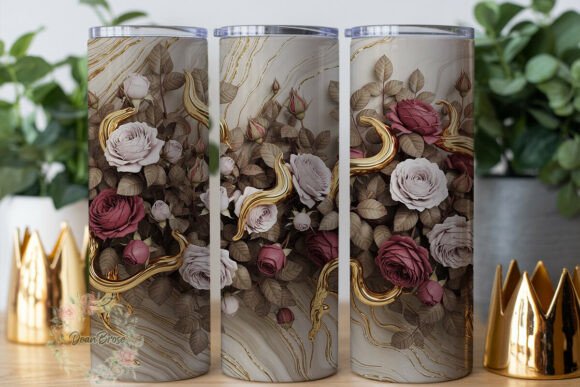
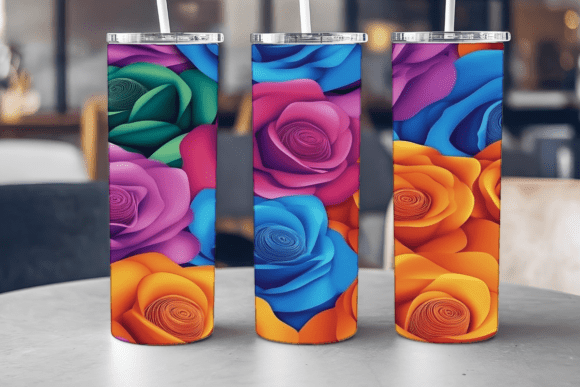
First impressions matter, and this one makes a strong one. The Rose Bloom Art Tumbler has a moody, romantic feel with layered floral elements that suggest depth without being overcrowded. The composition is balanced, which is crucial for any design you plan to place on a curved or structured surface. The rose motif is timeless, and the layout gives enough breathing room for the eye to rest. That kind of visual breathing matters when you are stitching a design onto a tote bag, a sweatshirt, or a cap because thread adds texture that can make dense areas feel even heavier. This design, with its thoughtful spacing, would translate well to embroidery without turning into a tangled mess of stitches.
Finding the Right Home for This Design
The Rose Bloom Art Tumbler naturally belongs on products that feel personal and giftable. I can see this working beautifully on a custom tote bag for a bridal party, a sweatshirt for a Valentine's market, or a set of embroidered pillow covers for a boutique home decor line. The rose theme is versatile enough to work for wedding gifts, holiday presents, or just something special for a customer who loves floral aesthetics. Because the design is originally a Tumbler Wraps piece, it already has a vertical orientation that fits well on apparel like the front of a hoodie or the side of a cap. That vertical flow is something embroidery designers look for when placing designs on curved surfaces like hat crowns or sleeve cuffs.
If you are an Etsy seller or a small shop product creator, having a design like this in your library means you can offer something that feels both elegant and handmade. The Graphics category it belongs to suggests it was built for sublimation, but the structure and spacing make it a strong candidate for an embroidery project as well. I have seen similar floral motifs sell very well at craft fairs, especially when stitched on neutral backgrounds like cream, blush, or soft grey. The design has enough visual weight to stand alone, so it does not need extra embellishments to feel complete.
How It Performs Across Different Products
Let us talk about how this design performs in real embroidery situations. If you are stitching it onto a sweatshirt or a t-shirt, the stitch density needs to be checked carefully. The rose elements, if digitized with satin stitch and fill stitch combinations, could create a beautiful raised effect that feels luxurious to the touch. But if the density is too high, the fabric might pucker, especially on lighter weight materials. I always recommend testing on scrap fabric first, using the same stabilizer you plan to use for the final product. For a design like this, a tear-away stabilizer might work for stable fabrics, but a cut-away stabilizer is safer for garments that will see regular wear and washing.
For textured fabrics like linen or cotton twill, the Rose Bloom Art Tumbler could add a lovely contrast. The satin stitch areas would pop against the weave, giving the finished piece a handmade, artisan feel. If you are making embroidered patches, this design would work well as a standalone piece with a border stitch around the edge. I have tested similar floral designs on aprons, kitchen towels, and even baby blankets, and the consistent thread tension across the motifs is what makes or breaks the final look. This design, with its balanced layout, gives you a good chance of clean results across those product types.
For custom apparel like caps and hats, the vertical orientation is a natural fit. But you need to pay attention to the hoop size and how the design sits on the curved surface. A cap hoop or a curved field hoop will help the running stitch and fill stitch sections lay flat without distortion. If the design is too wide for the cap front, consider using a centered portion as a focal accent rather than forcing the full layout.
Where to Use This Design Carefully
There are places where you need to be cautious with the Rose Bloom Art Tumbler. Small hoop sizes, like 4x4, might not capture the full layout if it is meant for a larger surface. If you are working with a smaller hoop, consider resizing or using only a portion of the design as a focal accent. Similarly, stretchy fabrics like jersey knit or ribbed materials can distort the stitch placement, especially on detailed floral shapes. A stabilizer with good recovery is essential, and a layer of water-soluble topping can help keep the stitches crisp.
Dark fabrics present another consideration. The Rose Bloom Art Tumbler, with its likely soft color palette, may need thread colors adjusted to show up against deep backgrounds. I always test designs in black and white mockups first to check contrast. If the tones are too similar, the embroidery can lose definition and look muddy. For dark fabrics, consider using a lighter thread palette or adding an outline stitch to define the shapes. The same goes for layered garments—if you are stitching through a pocket or a seam, the design's detail areas might need simplifying to avoid distortion.
Products that need frequent washing, like tea towels or baby items, require extra attention. High stitch density in a floral design can cause the fabric to shrink around the embroidery over time, leading to puckering. A looser fill stitch or a running stitch outline can help the design age better. I always tell my clients that a well-tested design saves them from returns and unhappy customers.
Visual Appeal and Product Value
The visual appeal of this design is where it really shines. The rose bloom theme is classic and romantic, which gives it strong giftability. Customers looking for personalized gifts for anniversaries, birthdays, or weddings would be drawn to this style. As a small business owner, having a design like this in your digital embroidery file collection means you can offer something that feels both elegant and handmade. The design's professionalism is evident in the layout, and that translates to customer trust. When a finished product looks well-balanced and thoughtfully stitched, buyers are more likely to see it as a premium item worth paying for.
Brand consistency is another angle. If you are building a boutique brand around floral or romantic aesthetics, the Rose Bloom Art Tumbler fits right into that identity. You could use it across multiple product categories—embroidered sweatshirts, personalized tote bags, baby blankets, kitchen towels, and even caps—without feeling repetitive. The design's adaptability makes it a strong asset for craft businesses and Etsy sellers who want to maintain a cohesive look across their shop.
Practical Designer Notes for Real Projects
Before you commit to a production run, here are a few steps I take with every new design. First, test the machine embroidery design on scrap fabric using the exact stabilizer and fabric texture you plan to use for the final product. Check the stitch density and make sure the satin stitch sections are not too tight. If the design pulls the fabric, reduce the density or adjust the underlay. Second, review the thread colors against both light and dark backgrounds. A design that looks vibrant on white can look flat on navy or black.
Third, confirm the hoop size and whether the design fits within your machine's capability. If the Rose Bloom Art Tumbler is larger than your hoop, you may need to resize or split the design. Fourth, inspect small details like narrow petals or tight corners. If the running stitch sections are too thin, they might break during washing. A slight thickening of those lines can improve durability without losing the design's character.
Fifth, test the design in black and white mockups to check contrast and readability. This is especially important if you are using the design for commercial embroidery where consistency across multiple units matters. Sixth, always confirm the licensing terms before using the design for commercial use or selling finished products. The Rose Bloom Art Tumbler is marketed as a Graphics product for sublimation, so if you are adapting it for embroidery, make sure your use is covered. Some design assets come with restrictions on how they can be used in digital products or physical goods.
For printable mockups and digital product previews, ensure the stitched result matches the digital representation. Customers notice when the mockup looks different from the actual item. A little extra testing on the front end saves you from disappointed buyers and damaged reputation.
Final Thoughts on Using This Design
The Rose Bloom Art Tumbler is a design that brings a lot of potential to the table. It is visually appealing, versatile across product categories, and has the kind of timeless floral theme that customers consistently respond to. But like any design, it requires thoughtful preparation. Test your materials, check your hoop size, review your thread colors, and always confirm the commercial use rights. With the right approach, this design can elevate your embroidery projects and help you create finished products that feel polished, professional, and genuinely handmade.
Whether you are a hobbyist making a one-off gift or a small business owner producing for a holiday market, the Rose Bloom Art Tumbler gives you a solid foundation. It works on custom apparel, home decor, and personalized gifts with the right care. Take the time to test it properly, and you will have a design that serves your customers well and keeps them coming back for more.