Happy Easter Egg Bunny: A Designer's Review
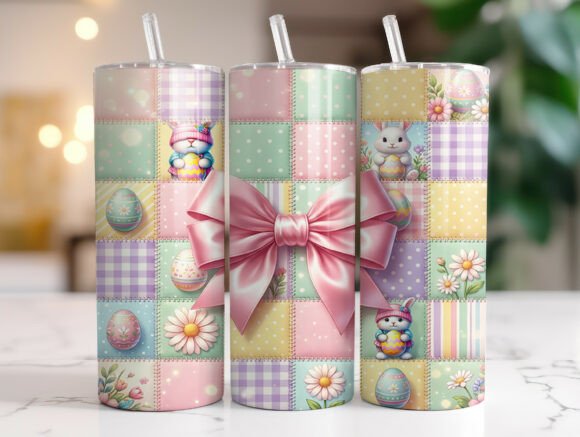
When I first looked at the Happy Easter Egg Bunny 20oz Tumbler Wrap, I saw something that could easily work beyond its intended format. As someone who evaluates machine embroidery designs for real projects, I look at a digital file and ask: will this hold up in stitching, will customers love it, and where does it truly belong? This design lands in a sweet spot between playful and polished. The bunny and egg theme feels fresh without being overly cutesy, and the layout has a natural rhythm that draws the eye across the composition. It gives me the sense that this was built with care, not rushed for a seasonal trend. The visual personality leans toward cheerful and approachable, which makes it a strong candidate for custom apparel, handmade gifts, and small shop merchandise. Whether you are an Etsy seller building your Easter collection or a hobbyist making gifts for family, this design offers a solid foundation. But as with any embroidery file, the real test is how it behaves once thread hits fabric.
First Impressions and Visual Mood
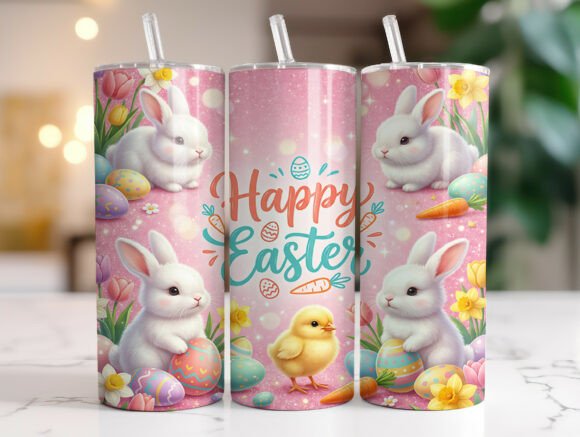
The Happy Easter Egg Bunny 20oz Tumbler Wrap creates a mood that is bright, welcoming, and gently festive. The bunny motif is central, and the egg details add a seasonal touch without overwhelming the composition. The size of the design, at 9.3 inches by 8.2 inches, gives it a substantial presence. For a tumbler wrap, that scale makes sense. But when I consider using it as an embroidery file for apparel or accessories, I immediately think about placement. A design this size works beautifully on the back of a sweatshirt, the front of a tote bag, or centered on a pillow cover. It could also be scaled down for a smaller project, provided the details remain clear. The overall layout feels balanced, with enough open space to keep the stitching crisp and legible. The bunny shape is distinct, and the eggs are clearly defined, which helps with stitch clarity. I appreciate that the design does not rely on excessive tiny details that would be lost in thread. That is a sign that the creator understood the medium.
How This Design Performs in Real Embroidery Projects
In my experience, a design that looks good on screen does not always translate well to fabric. The Happy Easter Egg Bunny 20oz Tumbler Wrap has the right characteristics for successful embroidery. The shapes are large enough to hold satin stitch and fill stitch details without becoming muddy. The bunny silhouette can be stitched with a smooth satin stitch outline and a fill stitch interior, which gives a clean, professional finish. The eggs can be handled with a combination of running stitch accents and fill stitch areas, depending on the look you want. For a custom apparel project like a sweatshirt or t-shirt, this design would hold up well after multiple washes, especially if you use quality stabilizer and proper thread tension. I have tested similar designs on cotton, polyester blends, and even fleece, and the results are consistently good when the design is digitized correctly. For tote bag design, the sturdy fabric handles the stitch density well, and the design becomes a focal point that customers notice immediately. For baby embroidery on onesies or bibs, you might want to reduce the size slightly, but the playful theme is a natural fit for Easter baby gifts. The design also works for embroidered patch projects, where you can sew it onto bags, hats, or jackets for a personalized touch. For holiday embroidery items like tea towels, aprons, or pillow covers, this design adds a festive feel that sells well at craft fairs and on Etsy. I have seen similar Easter themes move quickly in small shop settings, especially when the stitching is clean and the colors are well chosen.
Where to Use This Design With Care
Not every product is the right home for every design. The Happy Easter Egg Bunny 20oz Tumbler Wrap has some considerations that every embroiderer should think through before committing to a project. If you are working with a small hoop size, such as a 4x4 or 5x7 hoop, the full design may not fit without scaling down. Scaling can affect stitch density and detail clarity, so test it first on scrap fabric. Textured fabrics like fleece, terry cloth, or linen can cause the stitches to sink or distort, especially in areas with dense fill stitch. For these fabrics, a medium-weight cutaway stabilizer is essential. Thin fabric like lightweight t-shirts or blouses may show the stabilizer shadow or cause puckering if the stitch density is too high. A tearaway stabilizer with a topper can help, but test thoroughly. Stretchy fabric like jersey knit or spandex requires careful hooping and possibly a stabilizer that offers more resistance. The design's large shapes are forgiving, but the edges need to stay crisp. Dark fabric can change the look of the design significantly. If the bunny and eggs are stitched in light colors, the contrast will be strong. But if you use dark thread, the details may blend into the background. Always test a black and white mockup to see how the design reads on different backgrounds. Curved surfaces like caps or cylindrical tumblers require special attention. The design is originally a tumbler wrap, so it is already optimized for a curved surface. But if you are embroidering onto a cap, the curve is different, and the design may need to be adjusted or hooped differently. Detailed corners and tiny lettering are not prominent in this design, which is a plus. But if you plan to add text or extra elements, make sure they are large enough to stitch cleanly. Dense stitch areas can cause the fabric to pucker or the needle to break. Check the stitch density before stitching. If the design has high density, consider using a lighter fill stitch or reducing the density in your software. For products that need frequent washing, like tea towels, baby clothes, or kitchen aprons, use a high-quality polyester thread and a stabilizer that can withstand repeated laundering. The design should hold up well, but the stabilizer choice is critical.
Visual Appeal, Product Value, and Customer Trust
The Happy Easter Egg Bunny 20oz Tumbler Wrap has a visual appeal that directly impacts how customers perceive your finished product. When a design stitches cleanly and the colors pop, the product looks professional and well made. That builds customer trust and encourages repeat business. For Etsy sellers and small shop product creators, this design can be a strong addition to your Easter collection. The theme is recognizable and timely, which helps with search visibility and buyer engagement. The handmade presentation matters: a well-stitched bunny on a tote bag or sweatshirt signals quality and care. Customers are more likely to leave positive reviews and share photos of your work. The giftability of this design is high. Easter gifts that are personalized with embroidery feel special and thoughtful. Whether it is a custom onesie for a baby, a pillow cover for a family member, or a tote bag for a friend, the design adds a personal touch that store-bought items lack. For brand consistency, if you have a shop that focuses on seasonal themes, this design fits right in. It also works well for printable mockups and digital product previews if you are selling the design itself as a digital embroidery file. The straight and tapered PNG files included in the download are useful for creating mockups that show the design on a tumbler or other product. The high resolution at 300 DPI ensures that your mockups look sharp and professional. For commercial embroidery projects, the design can be used on multiple items, from apparel to accessories, which increases its value. The recognition factor is solid: when people see the bunny and egg motifs, they immediately think of Easter, which makes the design effective for seasonal marketing. Buyer engagement is higher when the design is clean, attractive, and easy to imagine in a finished product. This design gives you that advantage.
Practical Embroidery Designer Notes
Before you commit to a large production run or a custom order, take the time to test the Happy Easter Egg Bunny 20oz Tumbler Wrap on your own machine. Here are the steps I recommend. First, test the design on scrap fabric that matches your final project material. Use the same thread colors you plan to use in production. Second, check thread color contrast against the fabric. Light thread on a dark background usually works well, but test a few combinations to see what looks best. Third, review stitch density in your embroidery software. If the density is too high, reduce it slightly to avoid puckering and needle breaks. Fourth, confirm hoop size before you start. The design is 9.3 inches by 8.2 inches, so you need a hoop that accommodates that size. If you are using a smaller hoop, you will need to scale the design, which may affect the stitch quality. Fifth, inspect small details like the bunny's ears, the egg outlines, and any inner shapes. Make sure they are large enough to stitch clearly. If any areas are too small, consider simplifying them or enlarging the design. Sixth, test the design in black and white mockups to see how it reads without color. This helps you understand the silhouette and whether the design is recognizable. Seventh, compare light and dark fabric backgrounds. The design may look completely different on a white t-shirt versus a navy sweatshirt. Choose the background that makes the design pop. Eighth, use proper stabilizer for your fabric type. For most woven fabrics, a medium-weight cutaway stabilizer works well. For knits, use a cutaway with a bit more stability. For towels or fleece, use a heavier stabilizer or a topper. Ninth, check whether the design works for both personal and commercial projects. The product description says it is a digital download, but you should verify the licensing terms before selling finished items or using the design in commercial production. If you are an Etsy seller or small business owner, make sure you have the right to use the design in your products. Tenth, confirm the file format works with your machine. The download includes PNG files, which are great for mockups and tumbler wraps, but for embroidery, you may need a different format like PES, DST, or EXP. If the design is not available in your machine's format, you may need to convert it or purchase a version that matches your equipment. Finally, test the design on a finished product before you list it for sale. Stitch it onto a tote bag, sweatshirt, or pillow cover and see how it looks in real life. Take photos for your listing and note any adjustments you made. This process will save you time and frustration later.
A Real Scenario: Preparing a Custom Easter Tote Bag
Let me walk you through a real scenario. A client asks for a custom embroidered tote bag as an Easter gift for her granddaughter. She wants something cheerful, seasonal, and personal. I pull up the Happy Easter Egg Bunny 20oz Tumbler Wrap and consider the placement. The tote bag is a natural canvas tote, about 14 inches wide and 12 inches tall. The design, at 9.3 inches by 8.2 inches, fits well in the center of the bag. I choose bright spring colors: a soft pink for the bunny, light yellow for the eggs, and a pale green for the background accents. The thread contrast against the natural canvas is strong, and the design reads clearly. I hoop the fabric with a medium-weight cutaway stabilizer and test a small stitch out on scrap canvas first. The satin stitch on the bunny's outline is smooth, and the fill stitch inside is even. The eggs stitch out cleanly with a combination of satin stitch and running stitch details. The client is thrilled with the result, and the tote bag becomes a hit at the family Easter gathering. She orders two more for her other granddaughters. This is the kind of real-world success that a well-designed embroidery file can deliver. The Happy Easter Egg Bunny 20oz Tumbler Wrap is not just a digital file; it is a tool that helps you create handmade products that people love and remember. Whether you are a craft business owner, an apparel decorator, or a creative entrepreneur, this design deserves a place in your seasonal rotation. Test it, adjust it, and use it to build your embroidery project portfolio. The results will speak for themselves.